How to de-risk your next investment
Why the return on machinery and technology depends on much more than the asset itself.
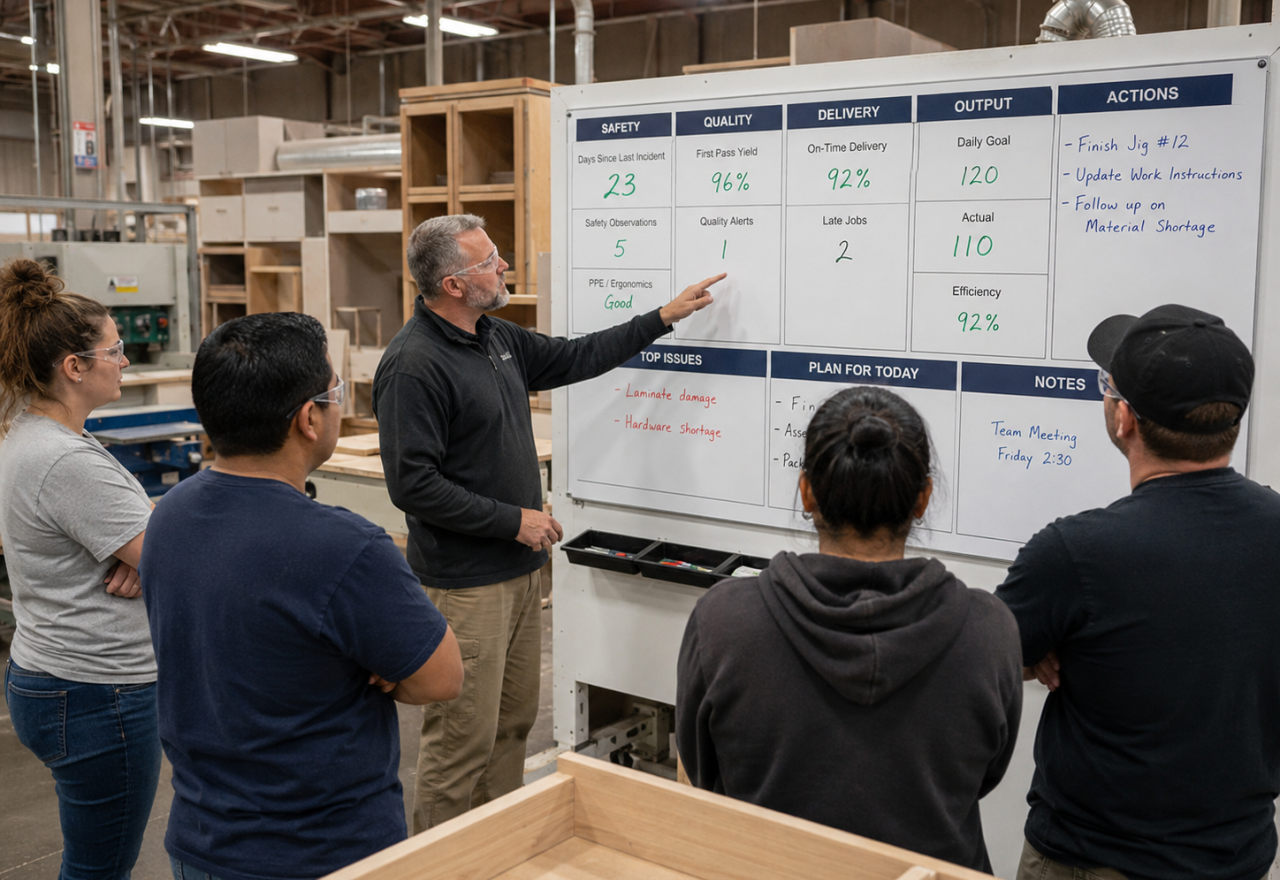
Daily production review
The capital proposal is usually the most visible part of an investment decision. It is rarely the most important.
The quotation is clear. The finance terms are known. The supplier can explain the technical benefits and projected output can be used to calculate an expected payback period.
What is harder to see is whether the business is ready to turn that investment into a measurable return.
It is a familiar scenario in furniture manufacturing. A leadership team is considering a new CNC, edgebander, finishing line, factory extension or design-to-production system. The technical case appears compelling, but the projected return depends on assumptions about information, people, maintenance and the ability of surrounding processes to keep pace.
If any of those assumptions prove unreliable, the investment may be technically successful while commercially underperforming.
This is not an argument against investment. New machinery and technology can improve consistency, reduce labour dependency, increase flexibility and open new markets. It is an argument for testing the readiness of the business, not simply the capability of the asset.
Before approving significant expenditure, leadership teams should test the investment against five practical questions.
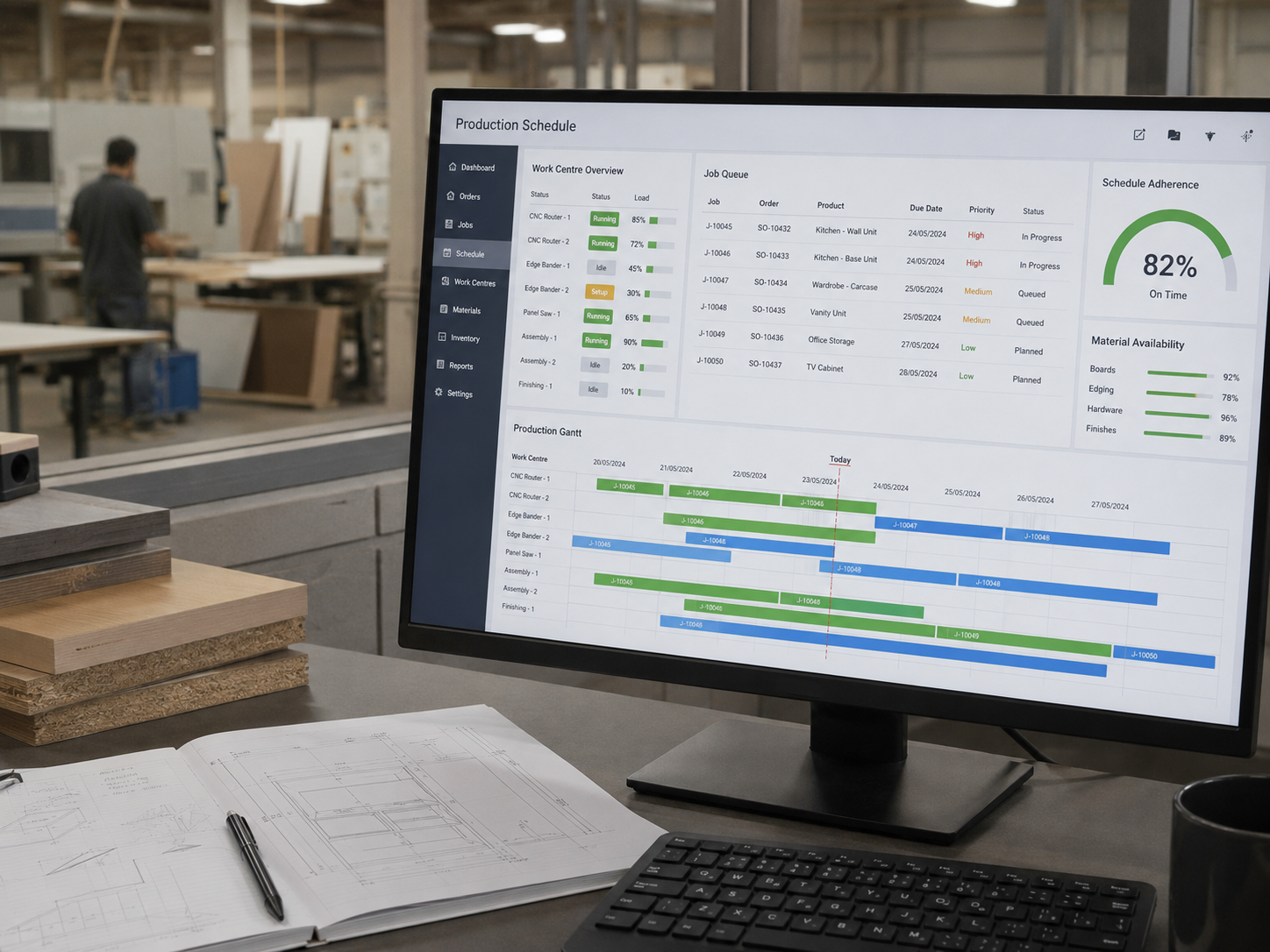
Production planning
“The strongest proposals begin with a clearly defined problem and a small number of measurable outcomes”
1. What exactly is the investment intended to change?
“We need another machine” is a proposed solution, not yet a business case.
Leadership should state precisely what the investment is expected to improve. Is the objective to increase throughput, improve material yield, shorten lead time, reduce labour dependency or support a new market opportunity?
A machine selected to increase output may not resolve delays caused by incomplete design information. New software may not improve scheduling if product data and routings are unreliable. Additional space may not address weak material control or changing priorities.
There is also a risk that an investment improves one stage while creating pressure elsewhere. Additional machining output may simply move the constraint into finishing, assembly, packing, delivery or installation.
The strongest proposals begin with a clearly defined problem and a small number of measurable outcomes.
The better the diagnosis, the stronger the decision.
2. Are the assumptions behind the business case reliable?
Every investment case relies on assumptions: machine utilisation, labour availability, demand growth, product mix, cycle time, material yield, set-up requirements and maintenance downtime.
The difficulty is that assumptions can quickly become treated as facts, particularly when there is pressure to decide.
Before approval, they should be tested against current data and direct operational evidence.
How much of the scheduled day is available for value-adding work? How often do customer changes, missing information or material shortages interrupt the plan? What proportion of demand suits the proposed technology? Has the case allowed for commissioning time and the period required to reach stable performance?
A proposal becomes more credible when it reflects how the business actually operates rather than how it is assumed to operate.
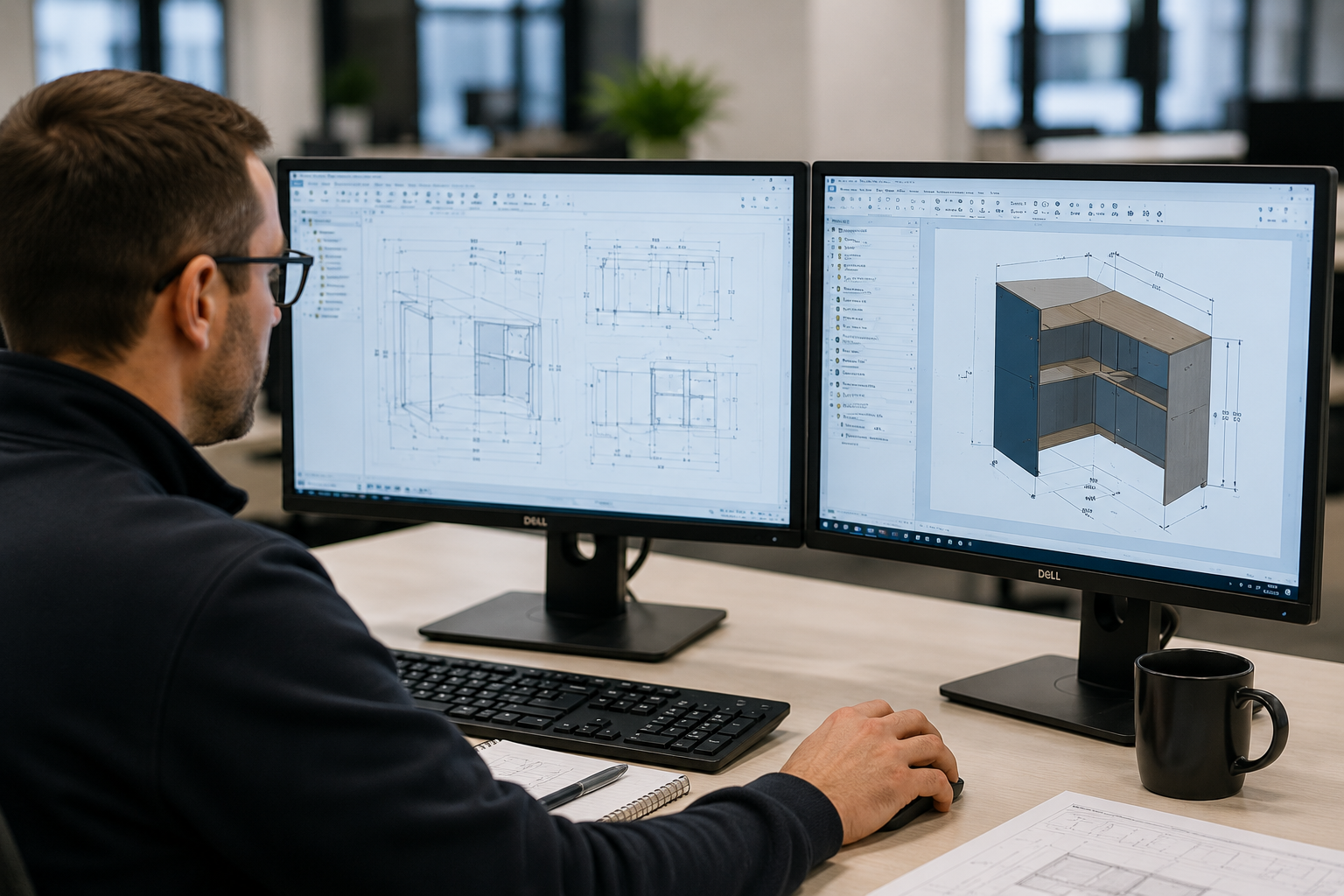
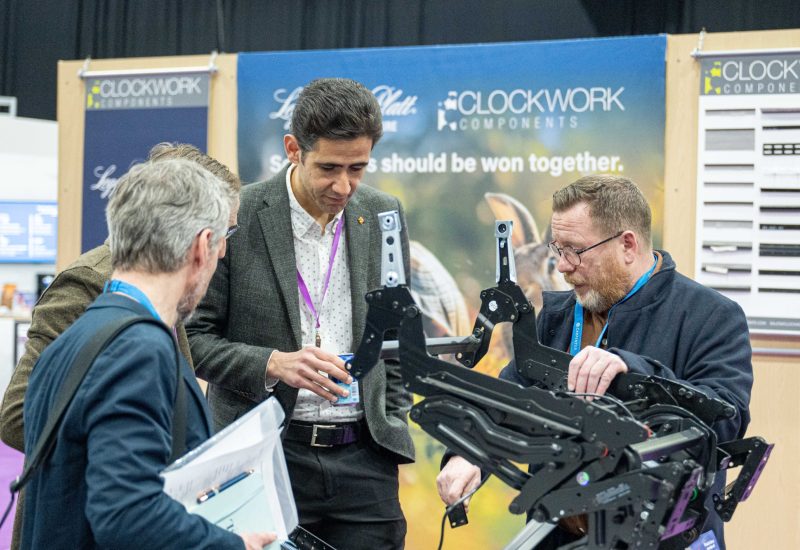
Design-to-production
“Leadership should be clear about who owns implementation, which roles will change and what training is required”
3. Is the organisation ready to absorb the change?
Capital investment changes responsibilities as well as equipment.
A new CNC may alter programming, nesting, material handling, quality checks and maintenance routines. A new ERP or MRP platform may change how orders are entered, designs are released, stock is managed and production is scheduled.
These changes often cross several departments, yet implementation may be assigned to one person already carrying a full operational role.
Leadership should be clear about who owns implementation, which roles will change and what training is required. It should also identify where critical knowledge is concentrated, who will support operators after supplier training and whether supervisors can lead the transition.
Supplier training matters, but it is not a substitute for internal ownership and effective change management.
Capital provides the asset. People create the return.
4. Are our data and systems ready?
Modern furniture manufacturing depends on reliable information moving from customer requirement through design, production, delivery and installation.
Product specifications, drawings, bills of materials, routings, machine files, stock records and production priorities must be accurate and aligned.
A new machine can expose weaknesses previously absorbed through experience and manual intervention. A new software platform can reproduce existing confusion at greater speed if data ownership and process rules are unclear.
Before investing, leadership should understand where critical information is created, who validates it and which system is the source of truth.
Can design information move into production without manual interpretation? Are bills of materials reliable enough to support planning and costing? Will the investment provide usable performance information, or will further integration be required?
The objective is not to perfect every system before proceeding. It is to address the data requirements essential to successful implementation.
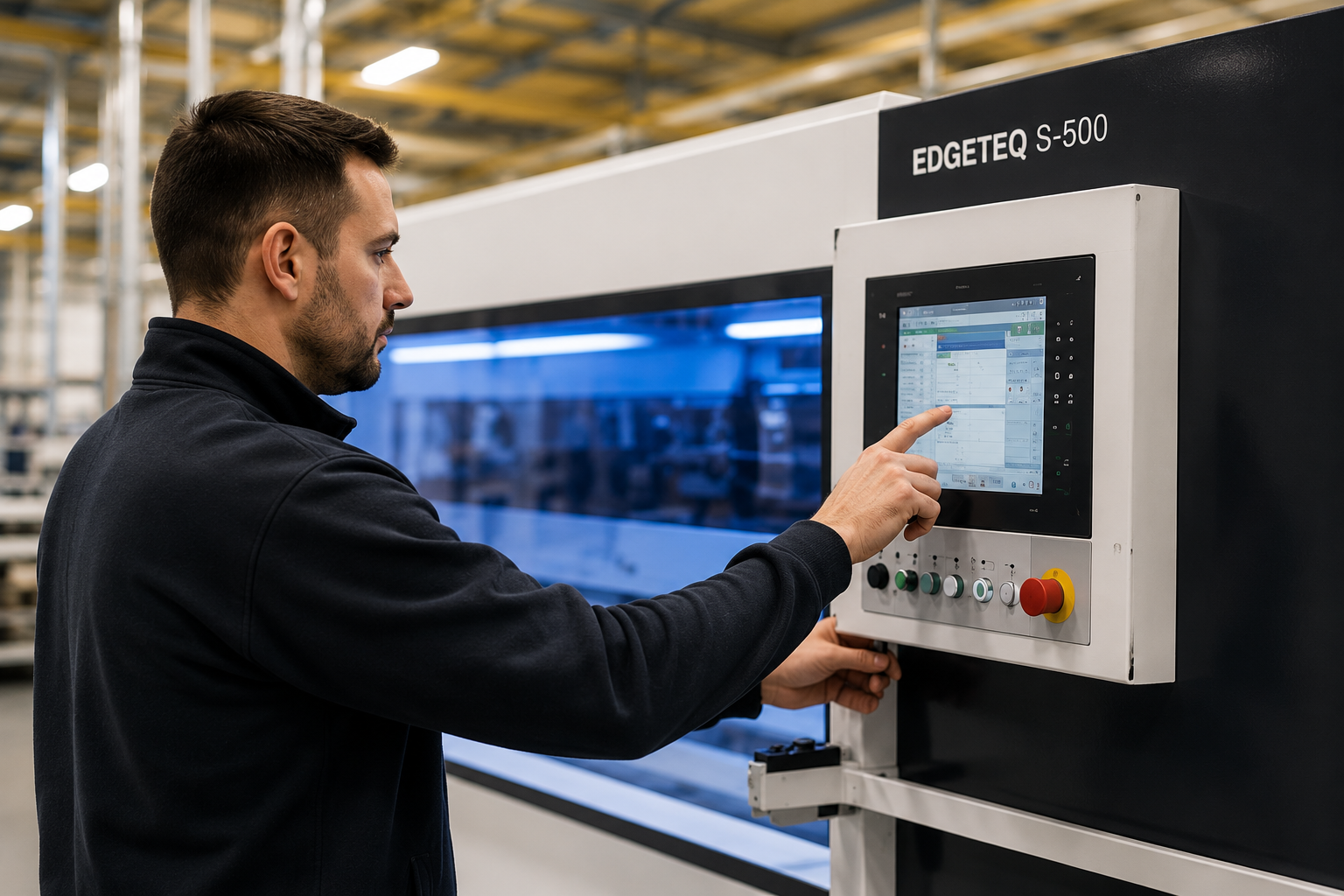
Implementation and ownership
“The business should establish baseline performance before the investment and agree how success will be measured after go-live”
5. Who owns benefit realisation after installation?
Many capital projects are managed carefully through delivery, installation and commissioning. Once the machine is running or the system is live, attention often moves to the next priority. That is precisely when benefit realisation should begin.
The business should establish baseline performance before the investment and agree how success will be measured after go-live.
Measures might include throughput, labour hours per order, material yield, set-up time, manufacturing lead time, schedule adherence, defects and rework, installation issues, working capital and margin by product, project or order type.
These measures need named owners, agreed review points and a clear route for corrective action. Reviews after 30, 60 and 90 days can help distinguish normal commissioning issues from deeper capability gaps.
The project is not complete when the asset becomes operational. It is complete when the intended operational and financial outcomes are being delivered and sustained.
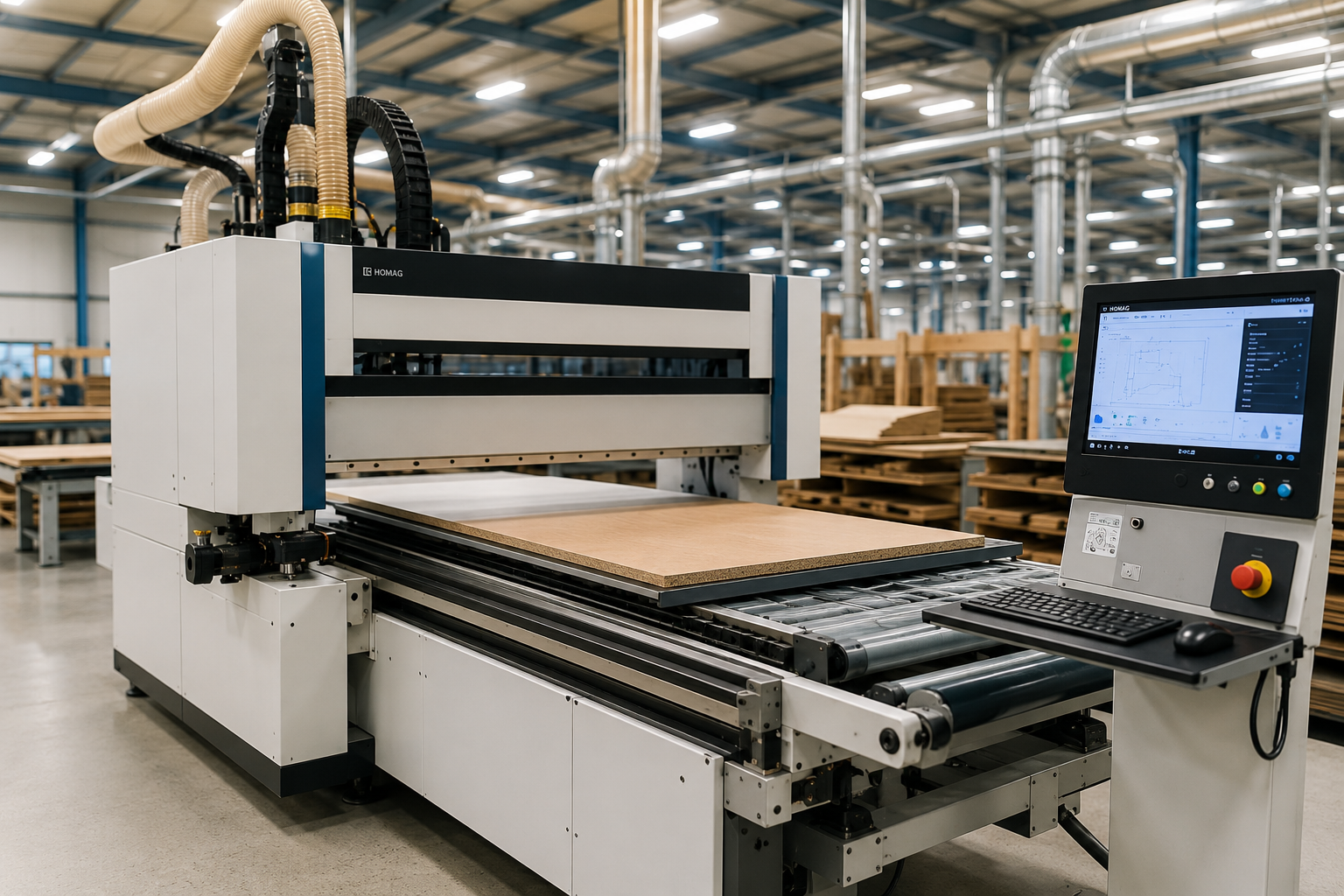
Automated production
The investment may still be the right decision
An investment-readiness review is not intended to delay necessary expenditure or create reasons to say no. Its purpose is to improve the decision and increase the likelihood of success.
In many cases, the proposed investment remains the right choice. However, some actions may need to happen first. Data may need to be strengthened, roles clarified, the team prepared and measures agreed before installation begins.
The specification may change. The implementation sequence may change. The expected return may become more realistic and more defensible.
Most importantly, leadership enters the project with a shared understanding of what must be true for the investment to succeed.
Answering these questions requires more than a management discussion. It requires evidence from across the business, a reliable performance baseline and an objective assessment of the capability gaps that could compromise the return.
For furniture manufacturers under pressure to automate, digitise and grow, that discipline matters.
The quotation tells you what the asset costs.
The business case should tell you what must be true for it to pay.
The final question is not whether the asset is capable.
It is whether the business is ready to make it pay.
About Pembroke Alliance
Pembroke Alliance works alongside furniture manufacturers and wider industrial businesses across Ireland and the UK to assess investment readiness, strengthen capability and improve the likelihood that capital projects deliver their intended return.
We help leadership teams test assumptions, prepare the organisation and establish the measures and governance required to turn investment into sustainable performance.
+353 87 276 2174