Managing expectations: growth meets constraint in Irish construction
Ireland’s construction sector is entering a period of strong growth – but according to a recent Arcadis’ Ireland Market View report – one shaped by significant challenges.
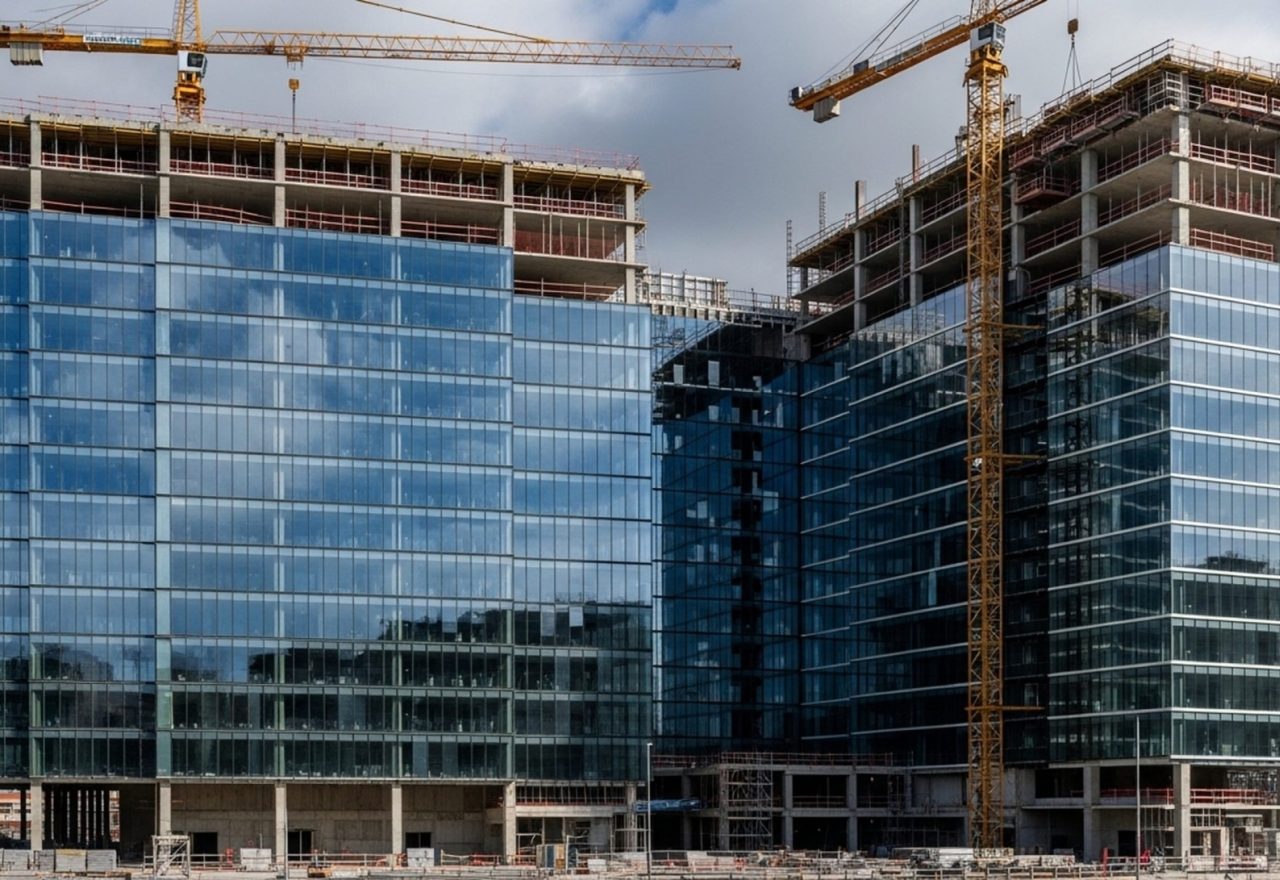
Infrastructure investment is accelerating rapidly, particularly in civil engineering, while the wider economy remains resilient. However, housing delivery continues to underperform, creating an uneven market that will directly affect developers, contractors, and the interiors and fit-out supply chain.
For developers, improving borrowing conditions offer some encouragement, yet viability issues remain – especially in Build-to-Rent, where output has declined. This slowdown impacts fit-out firms and furniture manufacturers, whose pipelines depend heavily on residential completions.
Housing remains the sector’s biggest pressure point. Completions have fallen, and starts have dropped sharply, even as the government targets 50,000 new homes annually. New planning reforms and incentives aim to unlock supply, but rising construction costs risk outpacing rental growth, potentially shifting focus toward private sale developments. This could influence interior specifications and procurement strategies across residential projects.
Meanwhile, strong growth in infrastructure and sectors such as logistics and data centres is creating new opportunities. Civil engineering output has surged, and large-scale projects are expected to continue, offering work for specialist contractors and fit-out providers in complex environments.
However, capacity constraints remain a critical issue. Labour shortages are pushing wage inflation above general inflation, while Ireland’s fragmented construction sector – dominated by SMEs – faces challenges scaling up to meet demand.
Looking ahead, construction price inflation is forecast to rise to 5-6% by 2027, driven by increased workload and public sector investment.
For Ireland’s interiors, furniture and fit-out sectors, the outlook is one of opportunity – but success will depend on managing cost pressures, securing skilled labour, and aligning with an evolving project pipeline increasingly shaped by public investment.