Where did the margin go?
Top 5 places furniture manufacturers lose profit between quotation and installation. Alison Stone Senior Business Development Managerat Pembroke Alliance offers her insight.
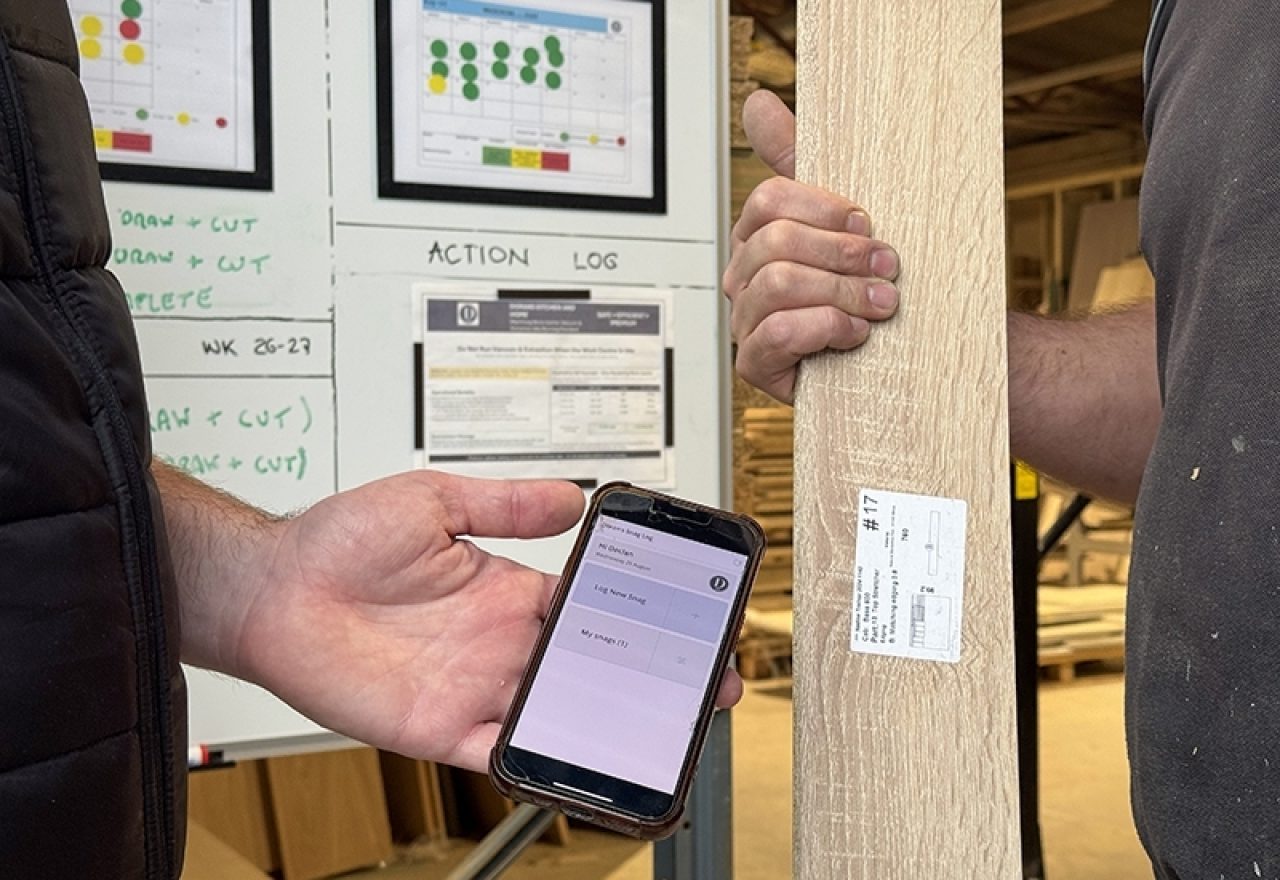
Your order book is full. Sales are growing. The factory is busy. But the anticipated profits are not materialising. A job can look profitable when quoted but deliver a very different result by the time it has been designed, manufactured and installed. The reason is rarely one major mistake.
Margin usually disappears in small amounts: more design time than expected, an uncharged variation, a missing measurement, a remake, an additional delivery or an installation that takes longer than planned.
This is not unusual. This is a pattern we have seen repeatedly when following the complete customer journey through furniture businesses, from initial quotation through to final installation.
The company had strong demand and an experienced team. Its quotations showed a healthy expected margin, but management had limited visibility of margins as each job progressed.
Designers were dealing with frequent revisions. Production regularly stopped while information was clarified. Installers returned to sites to complete fitting, resolve snagging or deal with issues that had only become apparent on site
These appeared to be separate issues.
But they are actually different stages of the same problem: margin was leaking as jobs moved from quotation to installation.
Assumptions made at quotation stage
The first margin leak can happen before the order is even won.
Furniture and joinery projects are often priced before every detail is known. Drawings may be preliminary. Specifications may change. Site conditions may not be clear.
The estimator must make assumptions about materials, design hours, production time, delivery and installation.
The quotation may allow for two installation days, but site conditions or access restrictions make three days more realistic. The design allowance may cover one approval cycle, while the customer requests several revisions.
The problem arises when these assumptions are not recorded or revisited as the job develops.
The business can then find itself delivering a different job from the one it priced, while still expecting the original margin.
The important question is not simply, “Can we win this work?”
It is, “What must remain true for this job to deliver the margin quoted?”
Variations that are not fully recovered
Changes are normal in bespoke furniture manufacturing. Uncontrolled changes should not be.
A customer may alter a finish, add storage or change a layout. An architect may revise drawings. A site survey may reveal something that was unknown when the job was priced.
One small change may not seem important. Several can mean more design hours, new materials, production delays and extra time on site.
Naturally you want to keep the customer happy and the project moving. Small requests are accommodated without considering their full commercial impact.
Problems also arise when several versions of a drawing circulate. Production may use information that is later changed, creating rework before the design is finalised.
A variation does not have to result in a difficult customer conversation. But it must be recognised, assessed and communicated. If the customer changes the job, the manufacturer should not automatically carry the cost.
Production starting before information is complete
When deadlines are tight, pressure mounts to begin the work before all the information is ready.
It feels like progress. The job is on the factory floor and work has started.
In reality, a rushed start can make the job slower and more expensive.
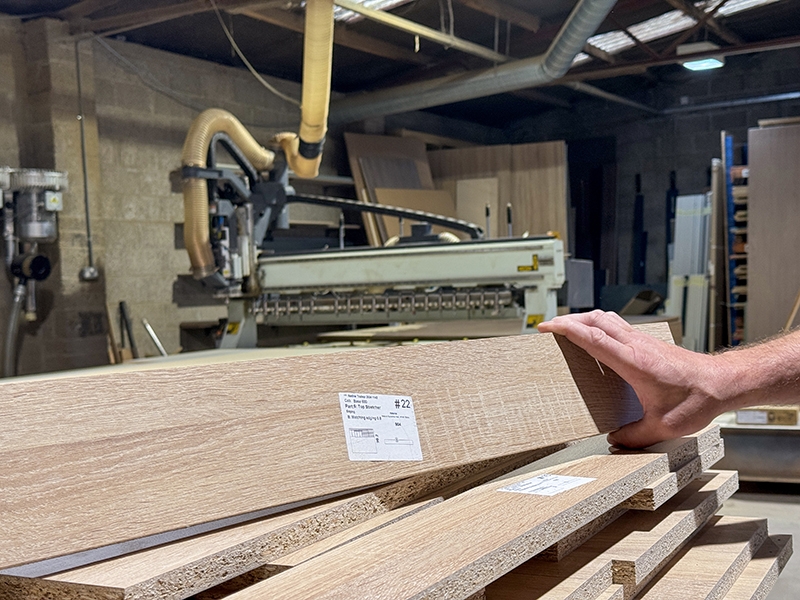
Operators stop to clarify measurements. Supervisors chase missing decisions. Partially completed items are moved aside while the team waits for answers. Components may be produced incorrectly and made again.
The visible cost is replacement material and labour. The wider cost includes lost production time, extra handling, disruption to other jobs and pressure on the installation date.
The handover from design to production is critical. Drawings should be approved, site measurements confirmed and unusual details resolved before manufacturing begins.
Starting later with complete information can be more efficient than starting early with uncertainty.
Installation absorbing problems created elsewhere
Installation is where problems on-site become visible.
A survey error, unclear drawing or missing component may only be discovered when the furniture reaches the site. The installers must then find a solution, arrange replacement parts or return another day.
Installers are skilled problem-solvers who want to complete the job and keep the customer happy. But kitchens and fitted furniture are often among the final pieces of a house build. By installation, the customer may already be frustrated by delays elsewhere.
It can be tempting to absorb small changes or additional work rather than add to that frustration. Yet an extra visit can include travel, vehicle costs, replacement components, management time and disruption to the next installation.
Site readiness matters too. The team may arrive to find restricted access, other trades still working or a room that is not ready.
If these issues are not recorded, the business may absorb the cost. They can also cause longer-term quality problems. Installing furniture before a room is dry enough, for example, can result in damage that only appears later.
Installation should not quietly become the department that fixes problems created elsewhere.
Quoted margin not being compared with final margin
Many manufacturers know the amount quoted and the amount invoiced. Far fewer compare the expected margin with the margin actually achieved.
Without this comparison, the same problems are repeated. The next quotation may use assumptions that have already proved inaccurate. Without closing that loop, yesterday’s margin loss becomes tomorrow’s estimating assumption
Completed jobs can reveal patterns. Certain projects may require more design time. Some customers may generate repeated changes or extra site visits. A popular product may be more costly to manufacture than expected or more prone to damage.
A large customer may generate impressive sales but deliver a poor return. A smaller customer with clear specifications, prompt decisions and a straightforward installation may be more profitable.
Revenue shows how much work has been won – it does not always show the true value of that work.
Follow the complete job
Sales, design, production and installation may operate as separate departments.
The customer sees one complete job. The business receives one final margin.
Protecting that margin means following the same journey, from the assumptions made at quotation to the final cost of installation.
A full order book should be good news, but profitable growth does not come from winning more work alone. It comes from understanding what each job really costs and preventing small losses from becoming accepted as part of doing business.
www.pembrokealliance.com

Alison Stone, Senior Business Development Manager / [email protected]

Pembroke Alliance works with furniture manufacturers, joinery businesses and fit-out specialists to improve operational and commercial performance. Its practical, hands-on approach helps businesses identify where time, cost and margin are being lost.