Furniture without tools: rethinking assembly in modern interiors
For decades, furniture assembly has largely been associated with tools. Screws, drills, fixings, and on-site adjustments have long been accepted as part of the installation process. In many projects, complexity has simply been treated as normal. That mindset is beginning to shift.
Across contract interiors, pressures around faster project delivery, labour availability, and installation efficiency are pushing manufacturers and specifiers to rethink how furniture is assembled. Increasingly, the question is not how to assemble faster using traditional methods, but whether some of those methods are needed at all.
This is where tool-free assembly is beginning to reshape the conversation.
Less time spent assembling
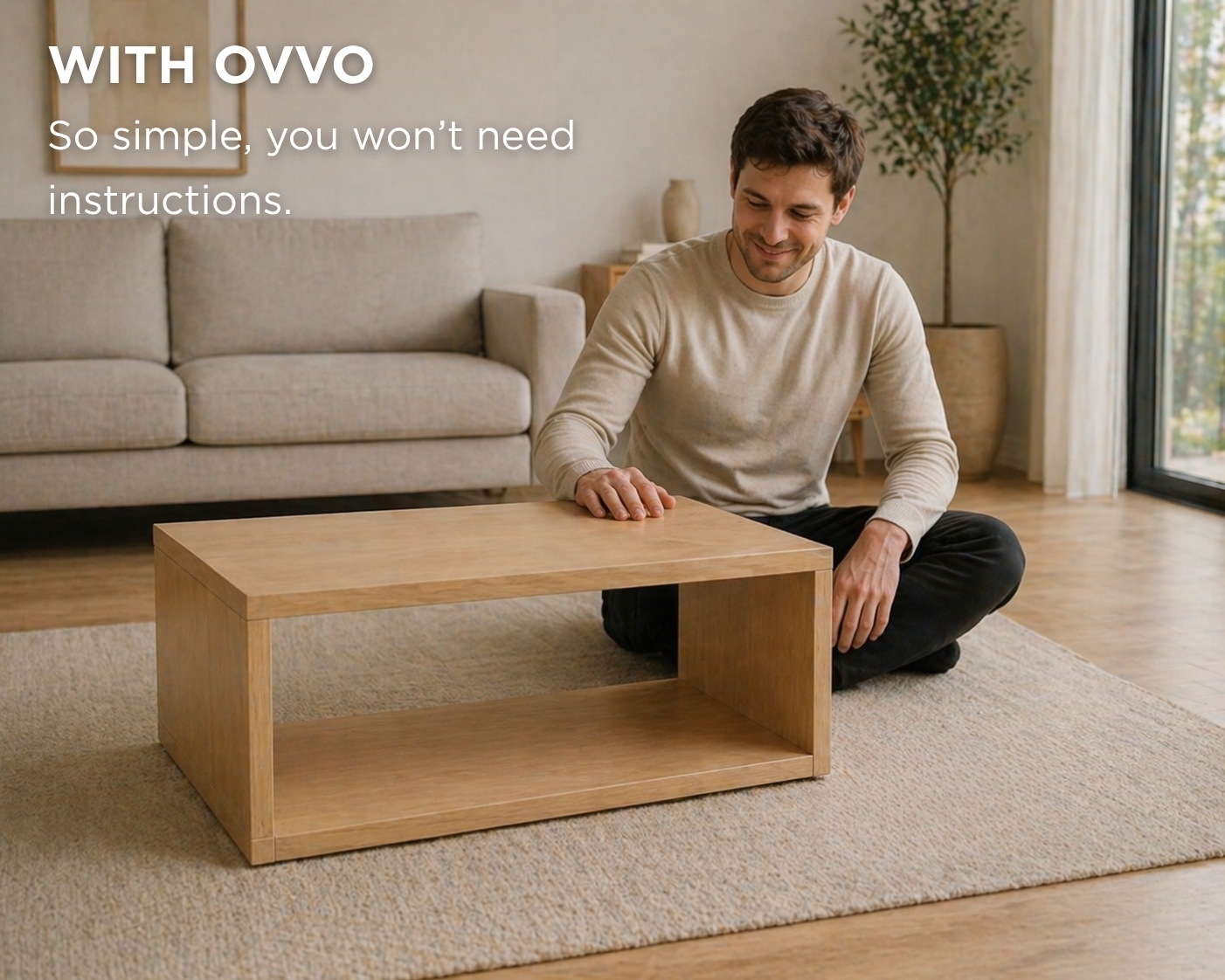
By reducing dependency on tools during installation, manufacturers can simplify processes, reduce assembly steps, and create more repeatable outcomes across projects. For fit-out teams working to tight deadlines, this can have a significant impact. Less time spent assembling on site can mean fewer delays, fewer opportunities for error, and smoother project delivery.
The implications go beyond speed. Simpler assembly systems can also help address growing labour challenges by reducing reliance on highly specialised installation skills. In an industry increasingly expected to do more with fewer resources, that matters.
Clean detailing and seamless finishes
There is also a design benefit. Modern interiors often demand clean detailing, seamless finishes, and flexibility in how spaces are configured. Assembly systems that remove visible fixings and minimise complexity can support those expectations while improving the practical realities of installation.
This shift is helping move assembly from being viewed as a final construction step to being considered much earlier in the design process.
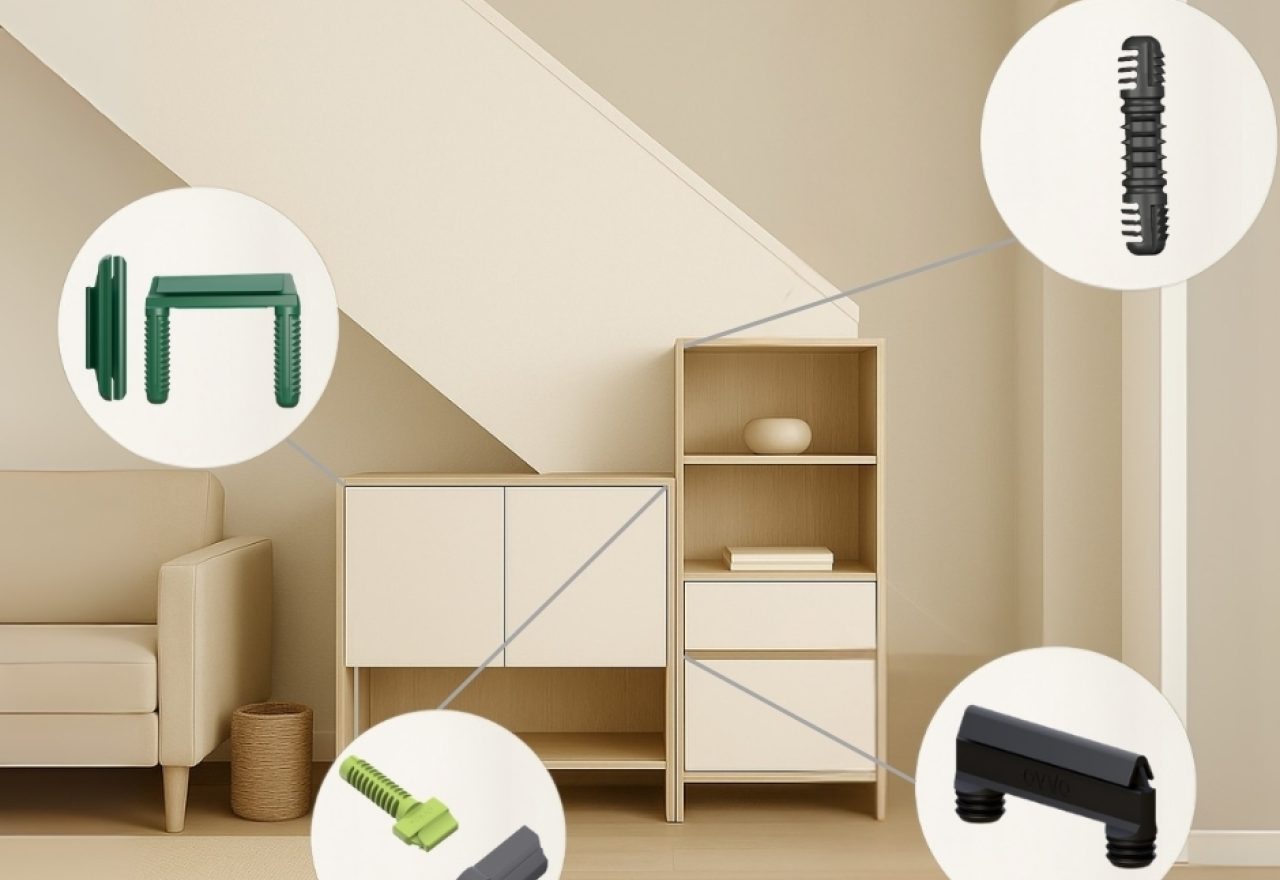
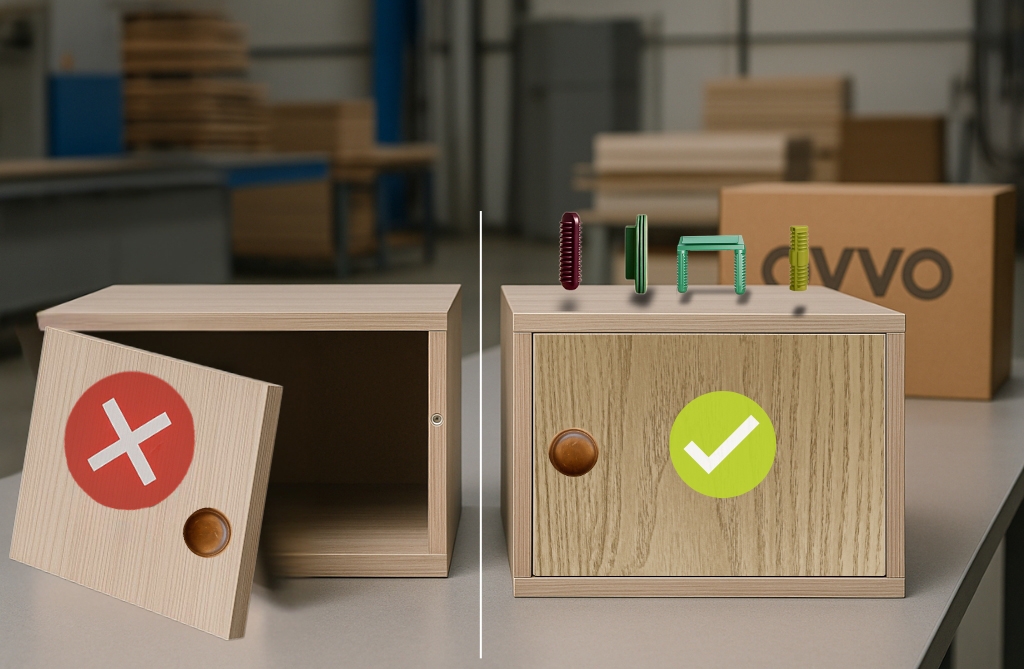
At OVVO, this thinking has long informed product development. Our tool-free connector systems were developed around a simple principle: remove unnecessary complexity while maintaining strength, precision, and ease of use. Whether through permanent connectors for fixed applications or Releasable solutions for modular environments, the aim is the same: simplify assembly without compromising performance.
Tool-free systems
What makes this increasingly relevant is that tool-free systems can often integrate into existing manufacturing processes, making adoption easier for producers looking to improve efficiency without overhauling workflows.
As modern interiors become more fast-paced, modular, and performance-driven, reducing dependence on tools is becoming about more than convenience. It is becoming part of a broader rethink of how furniture is designed, manufactured, and installed.
Removing the toolkit is not about removing craftsmanship. It is about removing unnecessary friction.
And that may be one of the most important shifts shaping the future of interior assembly.